
Commercial listed building insurance: Protecting Britain’s heritage business premises
If your business owns, operates from, lets, or is buying a listed commercial property, your insurance needs to account for far more than the building itself.
Christie Insurance
Insuring your business, your interests and your family

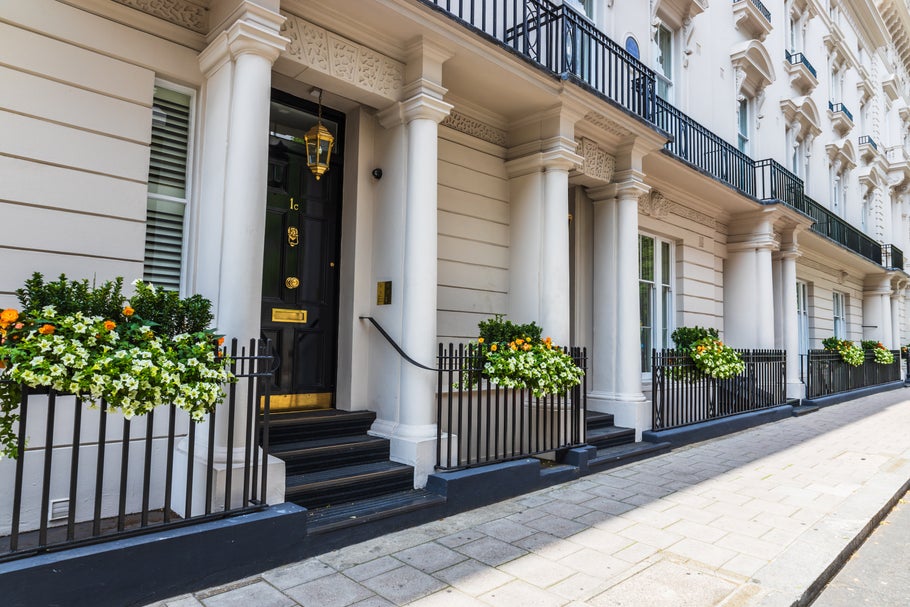
Hotels, care homes, pharmacies, medical practices, restaurants, leisure venues and other trading premises often combine heritage features with day-to-day operational risks, making standard commercial property cover unlikely to be enough.
At Christie Insurance, we can arrange commercial insurance for Grade I, Grade II* and Grade II listed properties that house trading businesses. With access to a wide panel of insurers, we help secure cover that reflects your building’s heritage status, your sector, and the potential impact of interruption to your business.
What is a listed commercial building - and why does it need specialist insurance?
A listed building is a structure that has been placed on the National Heritage List for England, or equivalent registers in Scotland, Wales, and Northern Ireland, due to its special architectural or historic significance.
Listed buildings are generally classified into three categories:
- Grade I: Buildings of exceptional interest.
- Grade II*: Particularly important buildings of more than special interest.
- Grade II: Buildings of special interest, which make up the majority of listed properties.
Listing can apply to the whole building, including internal features and, in some cases, structures within the grounds. For commercial owners and tenants, this can affect reinstatement costs, repair timescales, contractor choice, business interruption planning and landlord or lender obligations. Whatever grade your property holds, its listed status should be reflected in a commercial policy built around the realities of trading from a heritage building.
Commercial risks faced by listed buildings
Listed commercial buildings face many of the same property risks as modern premises, but heritage protections and business use can make their consequences more complex:
- Fire damage to timber-framed structures, commercial kitchens, plant rooms or electrical systems
- Storm damage to older roofs, chimneys, signage and external features
- Subsidence affecting historic foundations or adjoining structures
- Escape of water from ageing pipework, heating systems or guest and patient areas
- Theft of valuable architectural features, stock, fixtures or specialist equipment
- Extended closure periods while listed building consent, materials and specialist contractors are arranged
- Higher reinstatement costs caused by conservation requirements and scarcity of traditional materials
Your policy needs to reflect both the building and the commercial activity taking place inside it. A specialist commercial insurance broker can help by identifying the right mix of property, business interruption, liabilities, contents, stock and sector-specific covers.
Key considerations for commercial listed building insurance
Accurate rebuild valuations for listed commercial premises Reinstating a listed commercial property can cost significantly more than its market value, particularly where traditional materials, conservation specialists and phased works are required. A professional rebuild valuation helps make sure your sum insured reflects the true cost of reinstatement and reduces the risk of underinsurance if you need to claim.
Business interruption and loss of income Damage to a listed building can take longer to repair because permissions, conservation input and specialist workmanship may be needed. For trading businesses, that can mean a longer period of reduced income or temporary closure. The right business interruption cover should reflect realistic reinstatement timescales for heritage premises, not just standard repair periods.
Traditional materials, specialist contractors and compliance Many listed buildings include architectural details, construction methods and materials that cannot be replaced with modern alternatives. Your insurer needs to understand conservation requirements and support reinstatement using appropriate materials, contractors and permissions while helping you meet commercial obligations to customers, residents, patients, employees or tenants.
Sector-specific cover for trading businesses A listed building used as a hotel, care home, pharmacy, medical practice, restaurant, pub or office will have different exposures. Depending on the business, you may need cover for contents, stock, equipment breakdown, public and employers’ liability, tenant improvements, loss of licence, deterioration of stock or other specialist risks. Christie Insurance can help review the full picture, not the building in isolation.
Listed commercial buildings are unlike standard business premises, and their insurance should reflect that. From rebuild valuations and specialist reinstatement to business interruption and sector-specific liabilities, the right policy can help protect both your heritage asset and the business operating within it. With Christie Insurance, you can access specialist advice and tailored cover designed around your property, your trading risks and your future plans.
FAQs
Can Christie Insurance arrange cover for listed buildings used for commercial purposes? Yes. Christie Insurance arranges commercial insurance for listed buildings used by trading businesses, including hospitality, healthcare, retail, leisure and office premises, subject to insurer appetite and underwriting criteria.
Why does commercial listed building insurance often cost more than standard commercial property insurance? Costs can be higher because listed properties may require traditional materials, specialist contractors, conservation input and longer repair timescales. The business use of the premises, occupancy, claims history, rebuild value and required covers will also influence the premium.
What should business interruption cover include for a listed commercial property? It should allow for realistic repair and reinstatement timescales, including the time needed to obtain permissions, source traditional materials and appoint specialist contractors. The indemnity period should be reviewed carefully so it reflects how long your business could genuinely be affected after a major loss.